
Section 179: Write Off Your Equipment This Year
Buy a qualifying machine from Bailey's and put it to work by December 31, 2026, and your business may be able to deduct the full purchase price on its 2026 taxes, even if you finance it.
$2,560,000
Max Section 179 deduction
Tax years beginning in 2026
$4,090,000
Equipment spending cap
Deduction phases out above this
100%
Bonus depreciation
Can apply after Section 179
Dec 31
Placed-in-service deadline
For calendar-year businesses
Federal figures for tax years beginning in 2026 (IRS Rev. Proc. 2025-32).
What is Section 179?
Normally, a business writes off a machine a little at a time over five to seven years. Section 179 of the tax code lets you deduct the full price in the first year instead.
For 2026, businesses can deduct up to $2,560,000 of qualifying equipment. Anything beyond that may be covered by 100% bonus depreciation, which Congress made permanent in 2025.
The result: a lower tax bill this year, and more cash to run your operation.
- 1
Buy or finance qualifying equipment
New or used machinery you buy for your business can qualify, including equipment you finance.
- 2
Put it to work by December 31, 2026
The machine has to be delivered, set up and in use for your business before the tax year ends. Ordering it is not enough.
- 3
Claim it on your return
Your tax professional elects Section 179 on IRS Form 4562. You may be able to deduct the full purchase price this year.
See how the deduction changes the real cost of a machine
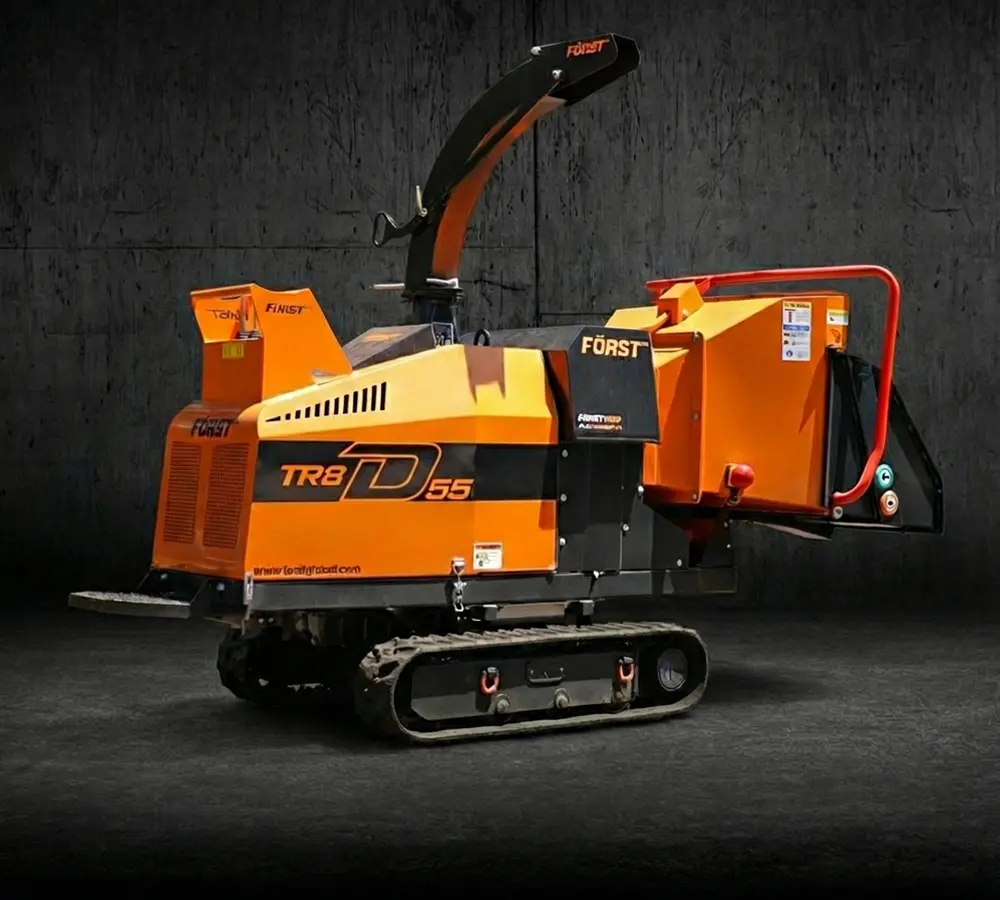
Take a $200,000 whole tree chipper. Deducted in full by a business in a 21% federal bracket, it could cut that year's federal tax by about $42,000. Try your own numbers.
Full Section 179 calculator at section179.orgQuick estimate
Federal only. For illustration, not tax advice.
- First-year deduction
- $150,000
- Potential tax savings
- $31,500
- Effective cost
- $118,500
Assumes the full price qualifies, your business has enough taxable income and you stay under the spending cap. State taxes, self-employment tax and your actual situation will change the result. Confirm with your tax professional.
Equipment on our site that can qualify
The machines we sell are exactly what Section 179 was written for: heavy equipment used to run a business. Browse by category, or shop in-stock units that can be delivered before the deadline.

Timber Harvesting
Harvesters, forwarders, harvester heads
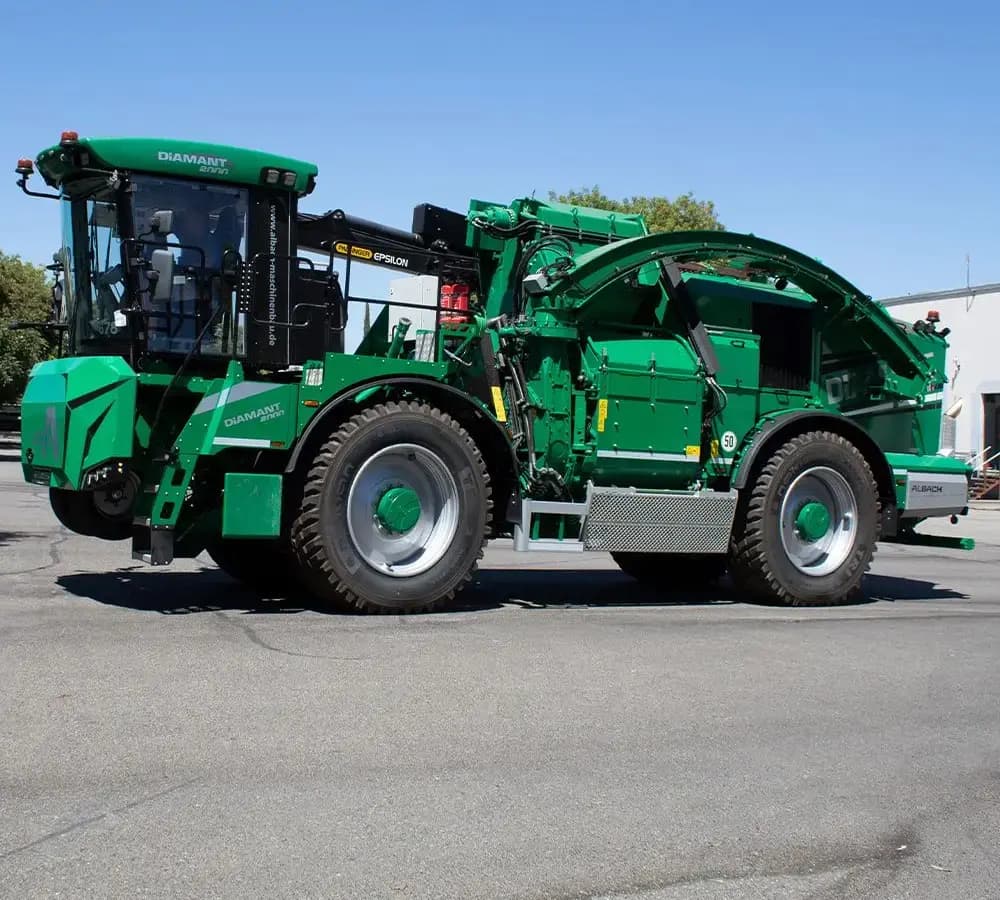
Browse
Log Handling & Transport
Loader trailers, log grapples, rotators
Browse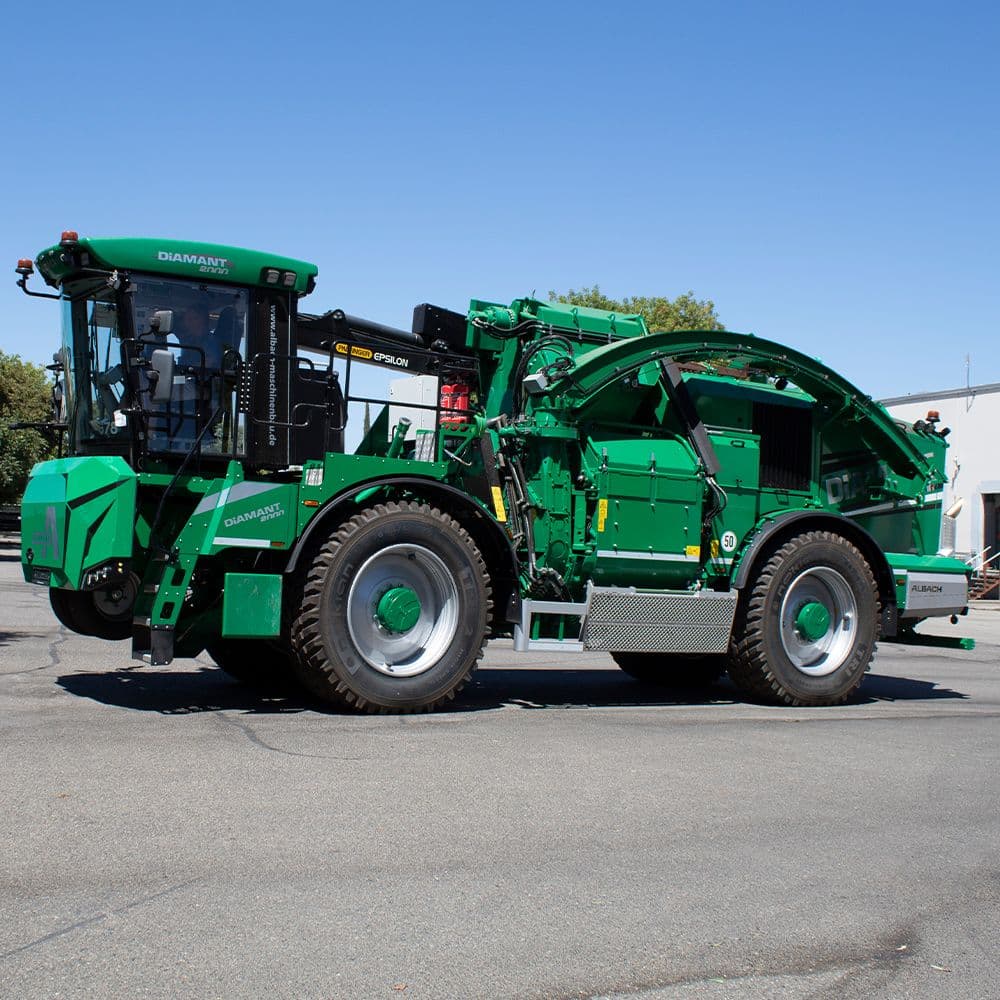
Land Clearing
Chippers, firewood processors, excavator attachments
Browse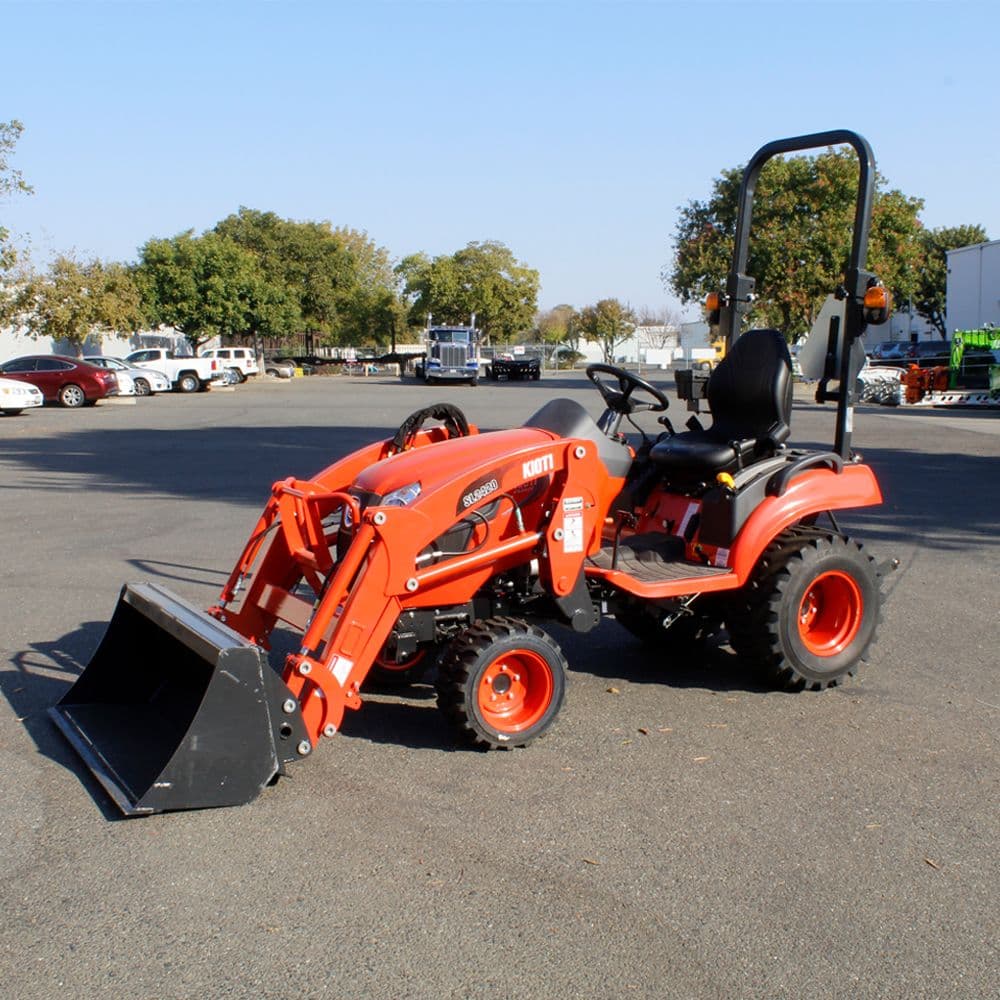
Compact Equipment
Tractors, UTVs, mulching and grapple attachments
BrowseShort on time? Shop in-stock inventory.
New and used machines ready to ship are the surest way to beat the December 31, 2026 deadline.
Section 179 rules to know before you buy
What generally qualifies
- Machinery and heavy equipment used in your business
- New and used equipment, as long as it is new to you
- Financed equipment, not just equipment paid in cash
- Attachments, trailers and implements bought for business use
More than 50% business use
The equipment must be used for business more than half the time. Personal-use machines don’t qualify.
Placed in service this tax year
Delivered, set up and ready to work by December 31, 2026. Equipment on order or sitting undelivered does not count.
Limited to business income
The Section 179 deduction can’t exceed your business’s taxable income. Any unused amount can carry forward to later years.
Spending cap and phase-out
If you place more than $4,090,000 of equipment in service, the deduction drops dollar for dollar and disappears at $6,650,000.
Bought, not borrowed
The equipment must be purchased (cash or financed). Rentals and true leases generally don’t qualify; ask your tax pro about lease-to-own terms.
State rules can differ
Some states don’t follow the federal limits. California, for example, caps its Section 179 deduction far lower. Check your state return.
Finance it now. Deduct it this year.
Financed equipment can qualify for the full Section 179 deduction in the year it goes into service, even though you pay for it over time. For many buyers, the tax savings can offset a large share of the first year's payments.
Financing provided by a third-party lender and subject to credit approval.
Your year-end timeline
- 1. Now
Pick your machine
Talk with our specialists about the right equipment and confirm availability and lead time.
- 2. Early fall
Lock in the order
Factory-order machines can take weeks to arrive. In-stock inventory is the safest bet late in the year.
- 3. Before Dec 31
Take delivery and put it to work
Schedule delivery and setup with time to spare. Holiday shipping slows down.
- 4. Tax time
Hand the paperwork to your tax pro
Your invoice, delivery date and financing documents support the deduction.
Section 179 questions, answered
Section 179 of the U.S. tax code lets a business deduct the full purchase price of qualifying equipment in the year it is placed in service, instead of depreciating it over several years. For tax years beginning in 2026, the limit is $2,560,000.
Generally, yes. Tangible equipment bought for business use more than 50% of the time, such as harvesters, forwarders, chippers, loader trailers, tractors and attachments, is the kind of property Section 179 was written for. Your tax professional confirms eligibility for your situation.
Yes. Used equipment qualifies as long as it is new to your business and you did not use it before you bought it. That includes machines from our in-stock inventory.
For tax purposes, yes. Financed equipment can qualify for the full purchase price in the year it is placed in service, even though you pay for it over time. Financing itself is a separate question: it is subject to lender approval, and terms vary by machine, so ask our team about the equipment you have in mind.
For calendar-year businesses, the equipment must be purchased and placed in service, meaning delivered and ready for use, by December 31, 2026. Allow time for delivery and setup.
Both let you write off equipment in the first year. Section 179 is an election you can apply asset by asset, but it is capped and limited to your business income. Bonus depreciation, currently 100% for property acquired after January 19, 2025, has no dollar cap and is applied after Section 179. Your tax professional decides the best mix.
It depends on your purchase price, your tax bracket and your business income. As a simple example, a $200,000 machine fully deducted by a business in a 21% bracket would lower federal tax by about $42,000 that year. Use the calculator at section179.org for an estimate and confirm with your tax professional.
Generally, no. Section 179 lowers business income tax, so cities, counties, agencies and tax-exempt organizations that don’t pay income tax won’t benefit from it. Our team can still help public buyers with quotes and purchasing.
No. Bailey’s is an equipment dealer, not a tax advisor. We provide invoices and delivery documentation for your records. Talk to your CPA or tax professional about how Section 179 applies to your business.
Helpful resources
Important
Bailey's is an equipment dealer, not a tax advisor. This page is general information about federal tax rules for tax years beginning in 2026 and is not tax, legal or accounting advice. Eligibility and savings depend on your business's situation, and state rules vary. Consult your tax professional before making a purchase decision based on Section 179.
Get your equipment in service before December 31, 2026
Tell us what you need. A specialist will confirm availability, delivery timing and financing options.
Quick Response
Usually within 24 hours
Expert Guidance
40+ years experience
Section 179 deadline: Dec 31
Get equipment in service this year.